Click | Save | Grow | Win | & Repeat! learn more



Caravan by Habitas AlUla
Conveniently situated in the Al Ula part of Al Ula, this property puts you close to attractions and interesting dining options. This 5-star property is packed with in-house facilities to improve the quality and joy of your stay.


Flynas fleet
Flynas fleet now consists of 66 aircraft, of which 60 are A320neo, the most advanced, environmentally friendly, and fuel-efficient single-aisle aircraft.


Club21
Mrs Christina Ong established the first Club21 multi-label concept, introducing high-end fashion to Singapore in 1972.
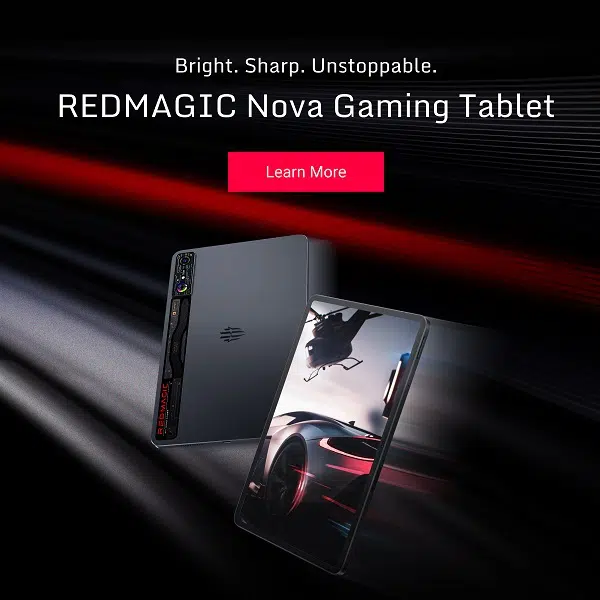

Compact Power. Cosmic Speeds
Balance performance and portability with a compact, premium transparent metal body and a flat 9.06-inch design paired with comfortable rounded corners, dynamic RGB lighting, standard USB 3.2 Gen 2, and our Magic Key feature.

Sport Culture
Independent since 1906, we empower people through sport and craftsmanship to create positive change in communities around the world.

No matter who you are, or where you are going!
Our travel brands help every type of traveler not only find the trip that’s right for them, but get the best value every time. The Expedia Group Platform makes over 600 billion AI predictions a year.


Experience the Joy and Excitement
The World's Biggest Indoor Theme Park Enter Warner Bros. World™ Abu Dhabi and get transported to awesome worlds of action and adventure, whimsy and wackiness straight out of your favourite cartoons and movies!



Essential Toolkit for Starting Your Podcast in 2026
Introduction to Podcasting in 2026
Podcasting has experienced a remarkable surge in popularity over the years, and by 2026, it stands as one of the most engaging forms of media available. In an era characterized by rapid technological advancements and shifting consumption habits, more individuals are turning to podcasts for information, entertainment, and education. This evolution in media consumption reflects a growing preference for on-demand content, allowing listeners to engage with topics that resonate with their interests at their convenience.

The increasing accessibility of podcasting tools has also played a significant role in this trend. With user-friendly platforms and budget-friendly equipment, potential podcasters can easily create high-quality audio content. The democratization of podcasting means that anyone with a compelling story or valuable knowledge can find an audience. As we delve into the podcast landscape of 2026, it is essential to recognize that successful podcasting is grounded in understanding the target audience and producing content that meets their needs.
Moreover, trends in podcast content reflect a broadening range of genres and formats. New podcasters are not limited to traditional interview formats but can explore storytelling, educational series, and even hybrid formats. Furthermore, audience engagement has become a critical component of podcasting strategies. Podcasters are increasingly leveraging social media platforms and interactive tools to foster a sense of community among listeners, creating opportunities for real-time feedback and participation.
As the podcasting landscape continues to evolve, those contemplating starting their podcasting journey in 2026 will find a plethora of resources and a vibrant community ready to support them. The time is ripe for aspiring podcasters to step into this arena, contribute their unique perspectives, and connect with an ever-expanding audience.
The Core Essentials of a Podcasting Setup
Starting a podcast in 2026 requires attention to several core essentials that directly impact the quality of your production. The most crucial tool in your podcasting toolkit is undoubtedly the microphone. A quality microphone can significantly enhance audio clarity, making it easier for listeners to engage with your content. For beginners, USB microphones offer a straightforward solution with plug-and-play convenience. Popular models like the Blue Yeti and Audio-Technica ATR2100x are both accessible and effective, catering to different budget levels. As podcasters advance in their craft, they may explore XLR microphones, which require additional equipment such as an audio interface and mixer for enhanced recording capabilities.


- Custom three-capsule array: This professional microphone produces clear, powerful, broadcast-quality sound for YouTube v…
- Blue VO!CE software: Elevate your streamings and recordings with clear broadcast vocal sound and entertain your audience…
- Four pickup patterns: Flexible cardioid, omni, bidirectional, and stereo pickup patterns allow you to record in ways tha…
SAR413.59

- Handheld dynamic microphone with USB-C digital output and XLR analog output. Durable metal construction for long-lasting…
- USB output connects to your computer (Windows and Mac) for digital recording, while the XLR output connects with your so…
- Built-in headphone jack lets you monitor directly from the microphone with dial on the bottom that allows you to easily …
SAR411.80

- NT1GEN5B, Bahnbrechendes Studio-Kondensatormikrofon, das die klassische Klangsignatur des legendären NT1 mit patentierte…
- Anschluss an eine Audioschnittstelle oder ein Mischpult über XLR oder direkt an einen Computer über USB für Aufnahmen in…
- Bietet den klassisch warmen, seidigen Charakter, das extrem niedrige Eigenrauschen und die hohe SPL-Belastbarkeit, für d…
SAR826.07

- RESTRICTED COUNTRIES FOR MARKETPLACE CONTENT (Stream Deck Plugins, Icons, Profiles, LUTs, Audio Effects, etc.): Kuwait, …
- Tactile Control, Visual Feedback: LCD keys, touch strip, and dials for audio, video, lighting, and more. Know that your …
- Fully Customizable: Use as an audio mixer, studio controller, production console, etc.
SAR707.63
In addition to a reliable microphone, high-quality headphones are essential for sound monitoring. Investing in closed-back headphones allows you to hear your recordings accurately, ensuring that you notice any discrepancies in audio quality. Models such as the Audio-Technica ATH-M50x and Sony MDR-7506 are favored by many podcasters for their durability and sound isolation. These headphones enable users to detect background noise and other unwanted audio artifacts, which can be crucial during the editing process.
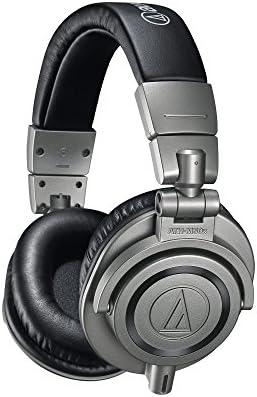
- Critically acclaimed sonic performance praised by top audio engineers and pro audio reviewers
- Proprietary 45 millimeter large aperture drivers with rare earth magnets and copper clad aluminum wire voice coils
- Exceptional clarity throughout an extended frequency range, with deep, accurate bass response
SAR558.11
Bestseller #1

- Neodymium magnets and 40 millimeter drivers for powerful, detailed sound
- Closed ear design provides comfort and outstanding reduction of external noises
- 9.8 foot cord ends in gold plated plug and it is not detachable; 1/4 inch adapter included
SAR440.15
Bestseller #2
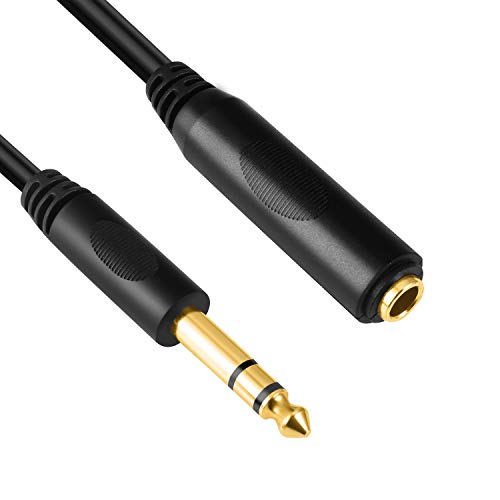
- Connector: 1x 6.35mm 1/4″ Male; Connector: 6.35mm 1/4″ Female;
- Fully molded and shielded to prevent EMI/RFI interference. Gold plated connectors resist corrosion, provide durability a…
- Allows you Connect headphones to audio devices such as amplifiers or AV receivers with 6.35mm socket.
SAR99.51
The final component of a successful podcasting setup is the recording and editing software. Programs such as Audacity and Adobe Audition provide robust features for recording and manipulating audio files. For novice podcasters, user-friendly options like GarageBand or Anchor can streamline the initial experience, allowing creators to focus more on content production than on technical complexities. As skills grow, podcasters may wish to expand into more sophisticated software that offers advanced editing capabilities, thereby enhancing the overall quality of their episodes. By carefully selecting each of these fundamental tools, aspiring podcasters can effectively lay the groundwork for a successful audio journey.
Budgeting for Your Podcasting Toolkit
When embarking on the journey of podcasting, one of the most significant aspects to consider is budgeting for the essential toolkit required to produce high-quality content. The initial investment in podcasting equipment can vary widely based on the approach one wishes to take. For those starting out, a minimalist setup utilizing a smartphone can be a cost-effective way to enter the world of podcasting. Modern smartphones come equipped with decent microphones and recording apps, allowing aspiring podcasters to produce acceptable audio quality without significant upfront costs.
Conversely, for individuals looking to create a more polished production, a comprehensive home studio configuration might be warranted. This could encompass professional-grade microphones, audio interfaces, pop filters, and soundproofing materials, among other items. While these tools represent a larger financial commitment, they can significantly enhance sound quality and thus impact listener engagement positively.
When developing your budget, it is essential to allocate funds wisely across different equipment categories. Researching cost-effective alternatives, such as considering pre-owned gear or brands that offer competitive pricing without sacrificing quality, can be beneficial. Additionally, exploring podcasting software and platforms that offer free or low-cost options will further aid in managing costs while still delivering engaging content.
Understanding the potential return on investment from these tools is crucial. Quality podcasting gear can lead to a more engaged audience, which ultimately translates to increased sponsorship opportunities and listener growth as your podcast develops. Balancing quality and affordability is vital; investing in the right items from the outset can pay dividends in the long run. Therefore, aspiring podcasters should carefully evaluate their budget, ensuring that each purchase aligns with their goals and enhances their overall production capacity.
Choosing the Right Hosting Platform
When embarking on your podcast journey in 2026, selecting the right hosting platform is a critical step that can significantly impact your podcast’s success and reach. With numerous options available, it is essential to evaluate key features that align with your specific podcasting needs. Firstly, consider the storage capacity offered by various hosting services. A generous storage plan is vital, especially as your episode count grows over time. Look for platforms that permit unlimited storage or provide sufficient space to accommodate your audio files without incurring additional charges.
Another essential feature to examine is the distribution capabilities of the hosting platform. A robust podcast hosting service should enable easy distribution of your episodes to major directories such as Apple Podcasts, and Spotify Podcasts with minimal effort. Automated submissions streamline the sharing process and ensure that your content reaches your audience rapidly and efficiently.
Analytics is another pivotal aspect to factor into your decision-making. An effective podcast hosting platform should provide comprehensive analytics tools to help you understand your audience better. Look for features such as listener demographics, download rates, and engagement statistics, which can deliver valuable insights into your podcast’s performance and help refine your content strategy.
Moreover, monetization options can be a deciding factor when choosing a hosting platform. If your goal is to generate revenue, select a service that offers integrated monetization features, such as sponsor management or listener support options like crowdfunding or subscription models.
In 2026, some of the popular podcast hosting services include Podbean, Libsyn, and Anchor. Each of these platforms has unique advantages and potential drawbacks, so it is prudent to conduct thorough research and read user reviews. By carefully considering these factors, you will be well-equipped to select a hosting service that not only meets your technical needs but also supports your podcast’s growth and monetization potential.
A podcast website gives you the space to share the latest updates about your show, sell merchandise, and provide contact information for listeners and business partners alike.
18 Best podcast website examples to get inspired

Stop Overpaying! SAR! Promo Club – The Ultimate Savings Gateway! Exclusive Discounts Are One Click Away.
Please login to post a comment.


Ready to elevate your promotional strategies and unlock new opportunities? Let's collaborate and create magic together. Reach out to us to explore the endless possibilities at SAR Promo Club.
Useful Links
Quick Search
Join our newsletter
We write rarely, but only the best content.
We'll never share your details. See our Privacy Policy
© 2026 SAR Promo Club by Karma Marketing. All rights reserved.