Click | Save | Grow | Win | & Repeat! learn more



Caravan by Habitas AlUla
Conveniently situated in the Al Ula part of Al Ula, this property puts you close to attractions and interesting dining options. This 5-star property is packed with in-house facilities to improve the quality and joy of your stay.


Flynas fleet
Flynas fleet now consists of 66 aircraft, of which 60 are A320neo, the most advanced, environmentally friendly, and fuel-efficient single-aisle aircraft.


Club21
Mrs Christina Ong established the first Club21 multi-label concept, introducing high-end fashion to Singapore in 1972.


Compact Power. Cosmic Speeds
Balance performance and portability with a compact, premium transparent metal body and a flat 9.06-inch design paired with comfortable rounded corners, dynamic RGB lighting, standard USB 3.2 Gen 2, and our Magic Key feature.


Sport Culture
Independent since 1906, we empower people through sport and craftsmanship to create positive change in communities around the world.

No matter who you are, or where you are going!
Our travel brands help every type of traveler not only find the trip that’s right for them, but get the best value every time. The Expedia Group Platform makes over 600 billion AI predictions a year.


Experience the Joy and Excitement
The World's Biggest Indoor Theme Park Enter Warner Bros. World™ Abu Dhabi and get transported to awesome worlds of action and adventure, whimsy and wackiness straight out of your favourite cartoons and movies!


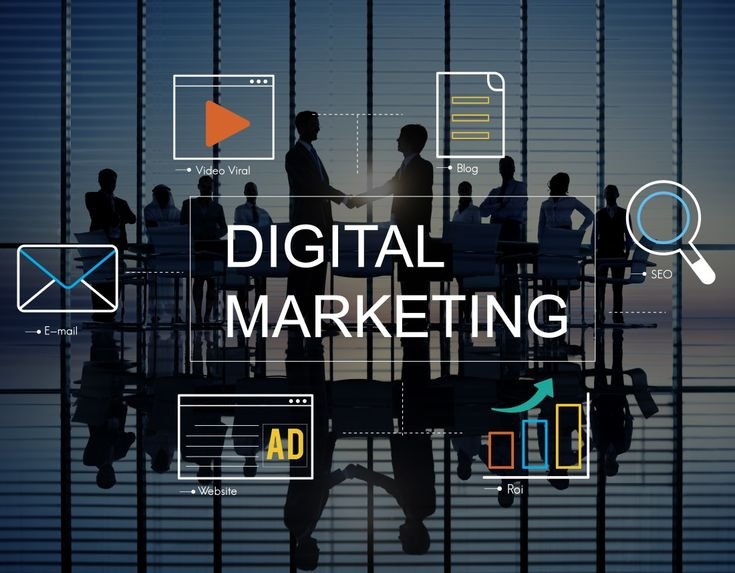
Understanding the Digital Marketing Mix
The digital marketing mix is a variation of the traditional marketing mix that focuses specifically on digital channels and tools to promote products or services. It typically includes various elements that are tailored to the online environment. The digital marketing mix can be adapted to suit the needs and goals of a business in the digital age. Here are the key components of the digital marketing mix:
- Content: Content is a fundamental element of digital marketing. This includes creating and sharing valuable, relevant, and engaging content such as blog posts, videos, infographics, and social media posts to attract and retain a target audience.
- Search Engine Optimization (SEO): SEO is the practice of optimizing a website to rank higher in search engine results pages (SERPs) for relevant keywords. This helps increase visibility and organic traffic to the website.
- Social Media Marketing: Social media platforms are essential for engaging with audiences, building brand awareness, and driving traffic to websites. Social media marketing involves creating and sharing content on platforms like Facebook, Instagram, Twitter, LinkedIn, and others.
- Email Marketing: Email marketing involves sending personalized and targeted emails to subscribers to promote products, share updates, and build relationships with customers. It is a cost-effective way to reach a large audience and drive conversions.
- Pay-Per-Click (PPC) Advertising: PPC advertising allows businesses to display ads on search engines and other online platforms and pay a fee each time a user clicks on the ad. Platforms like Google Ads and social media advertising offer opportunities for targeted advertising.
- Affiliate Marketing: Affiliate marketing involves partnering with individuals or other businesses who promote products or services in exchange for a commission on sales generated through their referral links. It is a performance-based marketing strategy.
- Analytics and Data Analysis: Digital marketing relies heavily on data and analytics to measure performance, track key metrics, and optimize strategies. Tools like Google Analytics provide insights into website traffic, user behavior, and campaign performance.
- Mobile Marketing: With the increasing use of mobile devices, businesses need to optimize their digital marketing strategies for mobile platforms. This includes mobile-friendly websites, mobile ads, and app-based marketing.

By incorporating these elements into their digital marketing strategy, businesses can effectively reach and engage with their target audience, drive website traffic, generate leads, and ultimately increase conversions and sales in the digital landscape.
Please login to post a comment.


Ready to elevate your promotional strategies and unlock new opportunities? Let's collaborate and create magic together. Reach out to us to explore the endless possibilities at SAR Promo Club.
Useful Links
Quick Search
Join our newsletter
We write rarely, but only the best content.
We'll never share your details. See our Privacy Policy
© 2026 SAR Promo Club by Karma Marketing. All rights reserved.